When the Lion’s Roar Fades: Who Guards the Night?

When the Lion’s Roar Fades: Who Guards the Night?

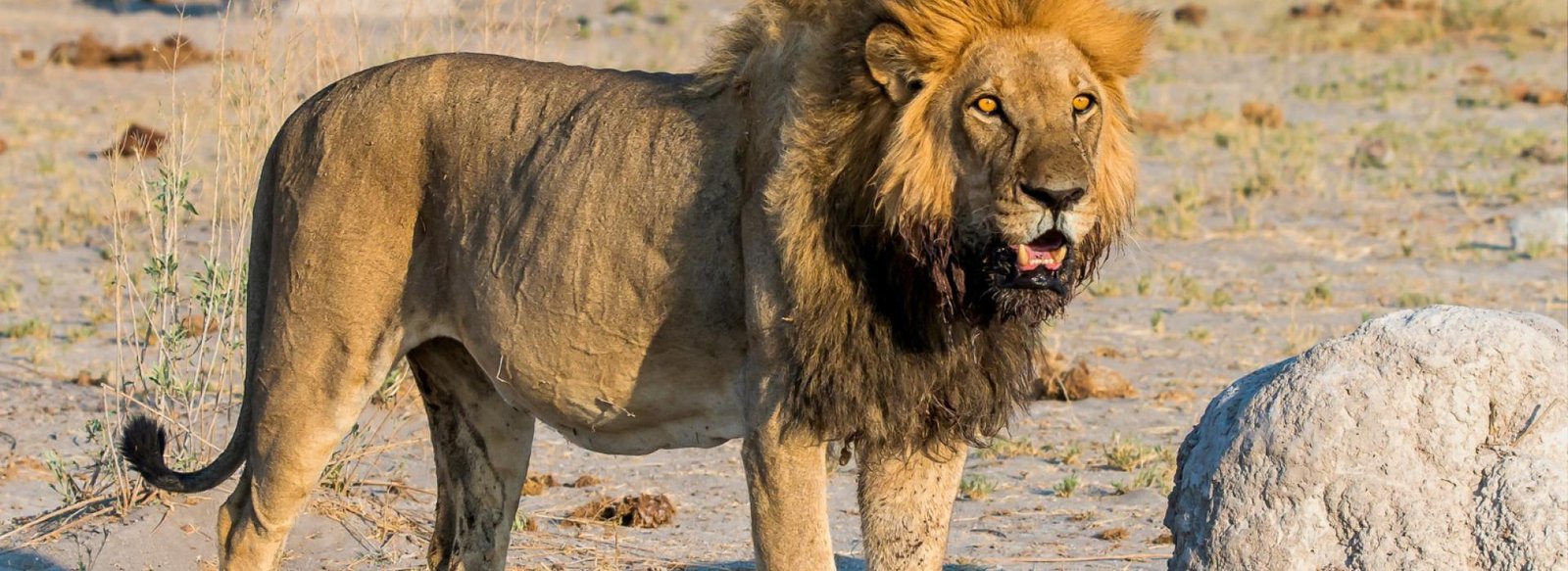
A lioness circles a fragile fence while a village holds its breath—one more loss could silence the savanna. When people choose corridors over revenge, the night learns to breathe again.
Read our story
map

Essential country information

  • Capital New Delhi
  • Population 1.366 billion
  • Languages Hindi, English, Malayalam
  • Currency Indian Rupee (INR)
  • Time zone UTC+05:30

Weather and climate:

Kochi has a tropical climate with an average temperature of 86°F (30°C) throughout the year. There is a rainy season from May through until September and the temperatures typically drop a little at this time, however you can still expect it to be humid. The hot and dry season is from November until May, with April and May being the hottest months with 90% humidity.

Species

What is the story of human–wildlife conflict—and its fix? Discover how predator-proof bomas and community action keep lions roaming and families safe.

wwwww

The Night Things Tilted

Dust hangs in the last light as a lioness traces the ragged edge of a thorn fence. On the other side, a boy fingers a slingshot, goats jostle in a weak boma, and a grandmother whispers, “Not again.” Two calves were taken this week. One more loss and the village will vote to set snares. The lioness pauses, listens, and melts back into the grass, as if the night itself just turned away.

wwww

The Bigger Map

Across Africa, monitored wildlife populations have dropped by about 76% on average in the last half-century—a system in peril unless we change how people and wildlife share space.

Lions have lost roughly 95% of their historical range; best current estimates put their numbers near 20–24k across the continent, with many subpopulations still declining.

Why the Easy Fix Fails

“Just move the lions” sounds simple—until you map pasture, drought, school fees, and the price of chain-mesh. Rangers are spread thin (globally, about one ranger per 72 km² on average—far below guidance), and most wildlife doesn’t live only inside parks; it moves through community land where people carry the day-to-day costs. Retaliation brings quiet nights—for a while—and emptier grasslands forever.

The Choice at the Crossroads

Amina, the community ranger, proposes a trade: reinforce bomas with lion-proof mesh, set up rapid-response calls, and keep an open corridor at dusk. In return, the village agrees to call rangers before revenge. This isn’t theory; community conservancies across East Africa are showing that when local livelihoods are tied to wildlife, conflict drops and tolerance grows.

Boots and Hands

One afternoon becomes a plan. Youth teams sleeve posts with mesh; elders mark a no-graze strip where the lions pass; herders hang flashing deterrent lights. A WhatsApp group links scouts, rangers, and the boma owners. The conservancy tests compensation rules for verified losses and schedules night patrols at the corridor mouth. 

(Versions of these steps—predator-proof bomas, early warning, and agreed corridors—have cut livestock losses in real Kenyan communities.)

What Changed (So Far)

No calves lost this month. The lodge reopens sunset tracking drives and hires two spotters from the village. The corridor stays clear; the council votes to join the conservancy network, which unlocks small grants for water points and beekeeping. It’s not a miracle. It’s maintenance—of safety, livelihoods, and a landscape still wild enough for a lion to choose grass over wire.

From Story to Step

Conservation here is a daily negotiation, not a poster. If the roar matters to you, do one true thing now: back community-led protection where people and wildlife both win, and press your leaders to fund it at scale.

Sources